
When you think about visiting the dentist, you probably think about cleanings, cavities, and keeping your smile healthy. But did you know that your dentist may also notice signs that point to a problem with your sleep?
Sleep apnea is a common sleep-related breathing disorder that can affect your overall health, energy levels, and quality of life. Because dentists examine your mouth, jaw, tongue, and surrounding structures, they may be among the first healthcare professionals to recognize potential warning signs.
At Advanced Dentistry of Blue Ash, we believe that caring for your smile means looking at the bigger picture of your health. Here's what you should know about sleep apnea, the signs your dentist may recognize, and how dental appliances can help certain patients breathe more comfortably while they sleep.
What Is Sleep Apnea?
Sleep apnea is a condition in which breathing repeatedly stops or becomes partially blocked during sleep. One of the most common forms is obstructive sleep apnea (OSA), which occurs when the muscles and soft tissues in the throat relax and narrow or block the airway.
These interruptions can happen repeatedly throughout the night, sometimes without the person ever realizing it. Even if you spend a full eight hours in bed, disrupted breathing can prevent you from getting the restful sleep your body needs.
Left untreated, obstructive sleep apnea is associated with several health concerns, including high blood pressure, cardiovascular problems, difficulty concentrating, and excessive daytime sleepiness.
The tricky part? Many people don't realize they have it.
How Can a Dentist Recognize Signs of Sleep Apnea?
Your dentist can't diagnose sleep apnea during a routine dental exam, but they can identify certain risk factors and symptoms that may warrant further evaluation.
During your appointment, your dental team may notice features of your oral anatomy or hear about symptoms that raise concerns about your breathing during sleep.
Here are a few things they may look for:
1. Signs of Airway Restriction
The size and position of certain structures in your mouth can contribute to airway narrowing. Your dentist may notice a large tongue, a narrow or high-arched palate, enlarged tonsils, or a lower jaw that sits farther back than usual.
These features don't automatically mean you have sleep apnea, but they can be important clues when considered alongside other symptoms.
2. Teeth Grinding and Jaw Concerns
Do you wake up with a sore jaw, frequent headaches, or teeth that show signs of grinding?
Teeth grinding, also known as bruxism, can occur alongside sleep-related breathing disorders. While grinding alone does not mean you have sleep apnea, it may be worth discussing with your dentist, especially if you experience other symptoms.
Your dentist can evaluate your teeth and jaw for signs of grinding and help determine whether further assessment may be appropriate.
3. Snoring and Interrupted Breathing
Loud, frequent snoring is one of the most recognizable symptoms associated with obstructive sleep apnea. Other warning signs include waking up gasping or choking, or having a bed partner notice pauses in your breathing during the night.
Your dentist may ask about your sleep habits and whether you experience these symptoms. Sharing this information can help your dental team determine whether a referral to a medical provider or sleep specialist is recommended.
4. Dry Mouth and Other Oral Symptoms
Waking up with a dry mouth can have several causes, including medications, dehydration, and mouth breathing.
Because some people with sleep apnea breathe through their mouths during sleep, persistent morning dry mouth may be another piece of the puzzle. Your dentist can help assess your oral health and discuss possible causes.
5. Daytime Fatigue and Poor Sleep Quality
Sometimes, the clues aren't found in your mouth at all. They come from what you share during your appointment.
If you frequently feel exhausted despite getting enough hours of sleep, struggle to concentrate, or experience significant daytime sleepiness, it may be worth discussing your sleep quality with your healthcare provider.
When these symptoms occur alongside snoring or other warning signs, they may indicate a need for further evaluation.
What Happens If Your Dentist Suspects Sleep Apnea?
If your dentist notices potential signs of sleep apnea, they may recommend that you speak with your primary care physician or a sleep medicine specialist.
A medical provider can evaluate your symptoms and determine whether a sleep study is appropriate. Sleep studies may be performed in a specialized sleep center or, for certain patients, at home.
This evaluation is important because it helps determine whether sleep apnea is present and how severe it is. The results also help guide the most appropriate treatment.
Your dentist can play an important role in this process by identifying concerns early, helping you understand your options, and working alongside your medical team.
How Can a Dentist Help Treat Sleep Apnea?
Once obstructive sleep apnea has been diagnosed, several treatment options may be available depending on the severity of the condition and your individual needs.
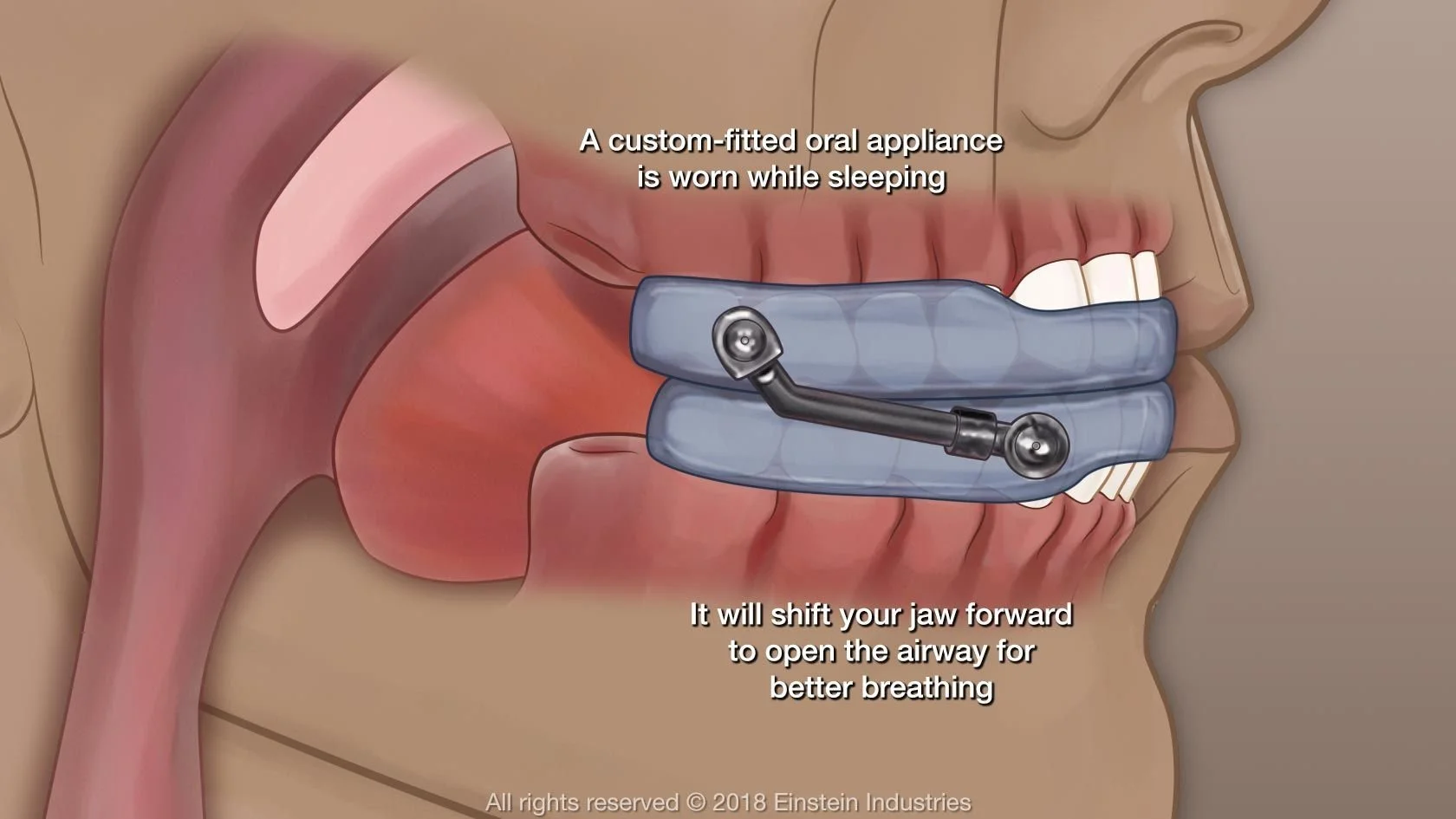
One option that may surprise you is oral appliance therapy, which uses a custom-made dental device worn while you sleep.
What Is an Oral Appliance for Sleep Apnea?
An oral appliance looks somewhat like a mouthguard or orthodontic retainer. However, it is specifically designed to help manage sleep-related breathing problems.
The most common type used for obstructive sleep apnea is a mandibular advancement device. This custom-fitted appliance gently holds the lower jaw in a forward position while you sleep.
By moving the jaw forward, the device can help keep the upper airway open and reduce airway obstruction.
For many patients, oral appliances offer a convenient alternative to wearing a mask and using a machine during sleep.
Who May Benefit From a Dental Sleep Appliance?
A custom oral appliance may be an appropriate option for adults with mild to moderate obstructive sleep apnea. It may also be considered for some patients with more severe sleep apnea who cannot tolerate or prefer an alternative to positive airway pressure (PAP) therapy, commonly known as CPAP.
The right treatment depends on your diagnosis, symptoms, anatomy, and overall health. A physician or sleep specialist can help determine whether oral appliance therapy is appropriate, and your dentist can assess your oral health and suitability for the device.
Oral appliances are not the right solution for everyone, but they can make a meaningful difference for appropriately selected patients.
What Are the Benefits of Oral Appliance Therapy?
For patients who are good candidates, a custom sleep appliance may offer several advantages:
Comfortable and discreet: The device fits inside your mouth and is generally small enough to travel with easily.
No bulky mask or machine: Unlike CPAP, an oral appliance does not require a separate machine, hose, or mask.
Convenient for travel: Its compact size makes it easy to pack for vacations and overnight trips.
Customized to your mouth: A dentist designs and adjusts the appliance to fit your individual needs.
Potentially improved sleep quality: By helping reduce airway obstruction, an effective appliance may improve sleep-related symptoms and daytime alertness.
Like any treatment, oral appliances can have side effects. Some patients experience jaw discomfort, changes in their bite, tooth discomfort, or increased saliva or dry mouth. Regular dental follow-up helps monitor these concerns and ensure the appliance continues to fit properly.
It is also important to verify that treatment is working, often through follow-up sleep testing coordinated with your medical provider.
What About CPAP?
CPAP therapy remains a common and effective treatment for obstructive sleep apnea. It uses a machine to deliver pressurized air through a mask, helping prevent the airway from collapsing during sleep.
Although CPAP works well for many people, some find the mask or equipment difficult to tolerate consistently.
For those patients, a custom oral appliance may be worth discussing with their sleep physician. In some cases, CPAP remains the preferred treatment, and an oral appliance may not provide the same degree of control. The goal is to find a treatment plan that safely and effectively manages your sleep apnea.
Don't Ignore the Signs of Sleep Apnea
Snoring, persistent fatigue, morning headaches, waking up with a dry mouth, or a partner noticing pauses in your breathing may be easy to dismiss. However, these symptoms are worth discussing with a healthcare professional, especially when they occur together.
Your dental visits are an opportunity to talk about more than your teeth. By sharing your symptoms and medical history, you give your dental team a better understanding of your overall health and help them recognize when additional evaluation may be beneficial.
Your Smile Is Part of Your Overall Health
At Advanced Dentistry of Blue Ash, we're committed to helping our patients maintain healthy smiles while supporting their overall well-being.
If you've noticed signs of disrupted sleep or have questions about how your oral health may relate to sleep apnea, bring them up at your next dental appointment. We can discuss any concerns, evaluate relevant oral health factors, and help you determine whether a referral for further evaluation may be appropriate.
Ready to take the next step toward a healthier smile?
Contact Advanced Dentistry of Blue Ash at 513-891-3333 or visit advanceddentistryofblueash.com to schedule your appointment.
A healthier smile is important. And a good night's sleep matters, too.
Please note: A dental examination cannot diagnose sleep apnea. Diagnosis requires evaluation by an appropriate medical provider, and treatment decisions should be made in collaboration with your healthcare team.